If your income changes month to month, saving can feel impossible.
When you’re self-employed, freelance, on variable hours, or juggling unpredictable expenses, it’s hard to commit to a “save £X every month” plan without it backfiring.
The goal isn’t to save perfectly. It’s to build a small buffer that makes life less scary.
This guide is educational only (not financial advice). It’s a practical, ADHD-friendly approach to building an emergency fund with irregular income – using tiny steps and a Safe to Save mindset.
Why irregular income makes saving harder
Irregular income creates extra mental load because you’re constantly having to re-calculate.
Feast/famine months and mental load
When income comes in waves, you can end up with:
- “good months” where you feel relief (and want to catch up on everything)
- “tight months” where every bill feels risky
- decision fatigue from constantly asking “Can I afford this?”
For ADHD brains, that ongoing decision load can lead to avoidance or impulse spending – not because you’re careless, but because you’re tired.
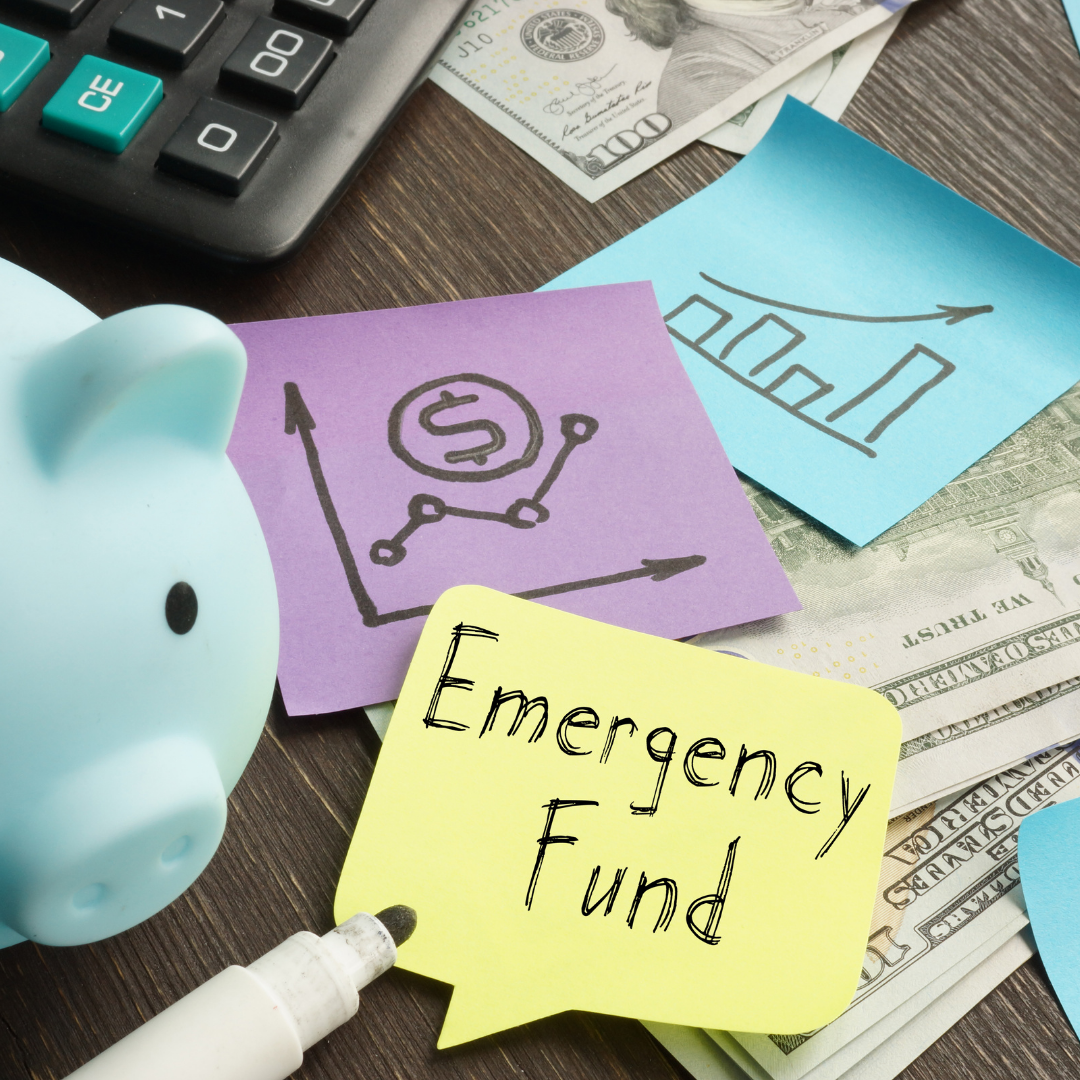
What an emergency fund is (and what it’s for)
An emergency fund isn’t a moral badge. It’s a buffer that stops small problems becoming crises.
It’s for:
- unexpected bills (car, boiler, vet, urgent travel)
- short gaps between invoices
- months where income drops
Buffer first, goals second
If you have irregular income, a buffer often matters more than a long-term savings goal at the start.
It reduces the need for panic choices (credit, overdraft, last-minute borrowing) and gives you breathing space.
A realistic approach to saving with variable income
You don’t need a strict percentage. You need a method that adapts.
Save on “good weeks”, protect on “tight weeks”
On “good weeks” (when an invoice lands, work is steady, or costs are calm):
- save a small amount while the money is there
On “tight weeks”:
- protect essentials and pause saving without guilt
This is how you avoid the boom-and-bust cycle where saving feels like punishment.
Choose a simple trigger (payday, invoice paid)
Make saving automatic-ish by tying it to a trigger:
- “When an invoice is paid, I move £X to the buffer”
- “Every payday, I do a Safe to Save check first”
- “Every Friday, I move £X if it feels safe”
The best trigger is the one you’ll actually remember.
How to keep it safe and separate
Savings disappear when they’re too easy to dip into.
Add gentle friction (without making it complicated)
Try one of these:
- a separate savings pot/account called “Buffer”
- a savings account with a small delay to withdraw
- moving savings out of your daily spending account
Your aim is “hard enough to stop impulse transfers”, not “so hard you never save”.
next steps
Your first tiny target
Pick a small, real target like:
- £50 buffer, or
- one week of groceries, or
- “cover one surprise bill without using credit”
Then choose one action today:
- set up a separate pot called “Buffer”, or
- set one trigger-based reminder (“After invoice paid: move £X to Buffer”)
Small and repeatable beats perfect.
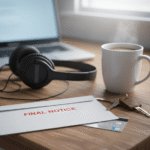
If bills are already piling up, or you’re getting letters you’re scared to open, support can make a huge difference.
In the UK, you can get free, non-judgemental help from organisations like StepChange, National Debtline, or Citizens Advice.
If the stress is affecting sleep, mental health, or day-to-day functioning, it’s also worth speaking to your GP or a trusted professional.
You deserve support – not more self-blame.
Take a look at these organisations that just want to help.