
Most money tools assume you’ll be consistent: daily tracking, tidy habits, and a clear head. That’s not real life - especially for ADHD brains. One of our core design rules for Bill-e-Buddy is simple: money admin should still work on low-energy days. Here’s what that means in practice, and how it shapes what we’re building.


Saving is hard when you don’t trust the numbers. If you’ve ever moved money into savings, felt proud for about a day, and then had to pull it back out because a bill landed, you’ll know the stress: saving starts to feel risky, not reassuring. “Safe to Save” is our way of making saving feel calmer. It’s a simple logic that helps you choose an amount you can put aside without triggering panic later.

If you’ve tried money apps before and they’ve ended up in the same place as the rest - ignored, guilt-inducing, and eventually deleted - you’re not the problem. Most money tools are built for “perfect user” behaviour: daily tracking, tidy habits, and a calm brain.
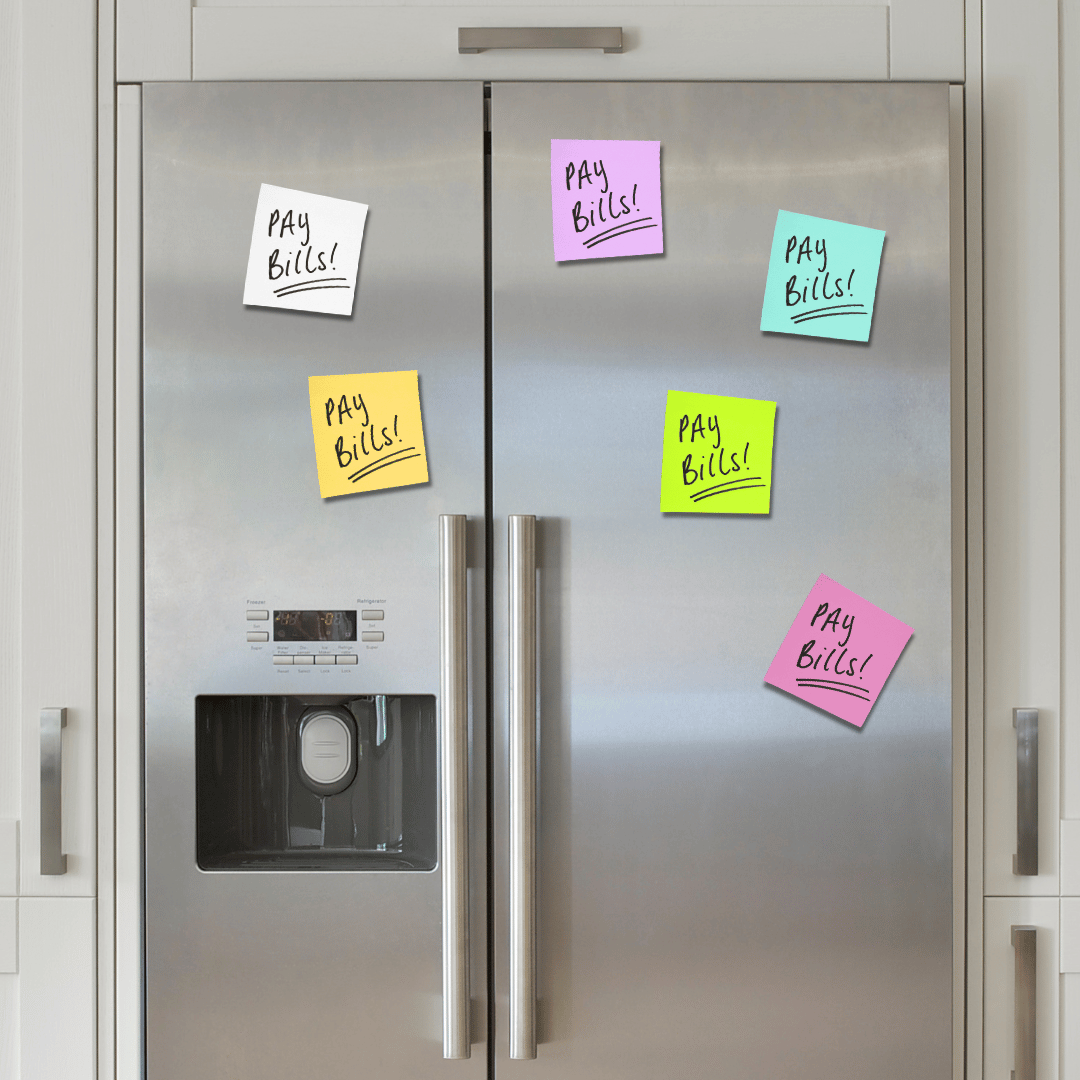

If you’ve ever downloaded a budgeting app, used it for three days, then ignored the notifications until they felt like accusations, you’re not “bad with money”. The tool probably just wasn’t built for your brain.
Categories
Topics



© 2026 Bill-e-Buddy.com – Designed and hosted by Create Better Things