

If you’ve tried money apps before and they’ve ended up in the same place as the rest - ignored, guilt-inducing, and eventually deleted - you’re not the problem. Most money tools are built for “perfect user” behaviour: daily tracking, tidy habits, and a calm brain.

Bad brain days happen. Low energy, overwhelm, stress, shutdown - whatever the reason, money admin is often the first thing to drop. That doesn’t make you “bad with money”. It means your system needs a low-energy version.
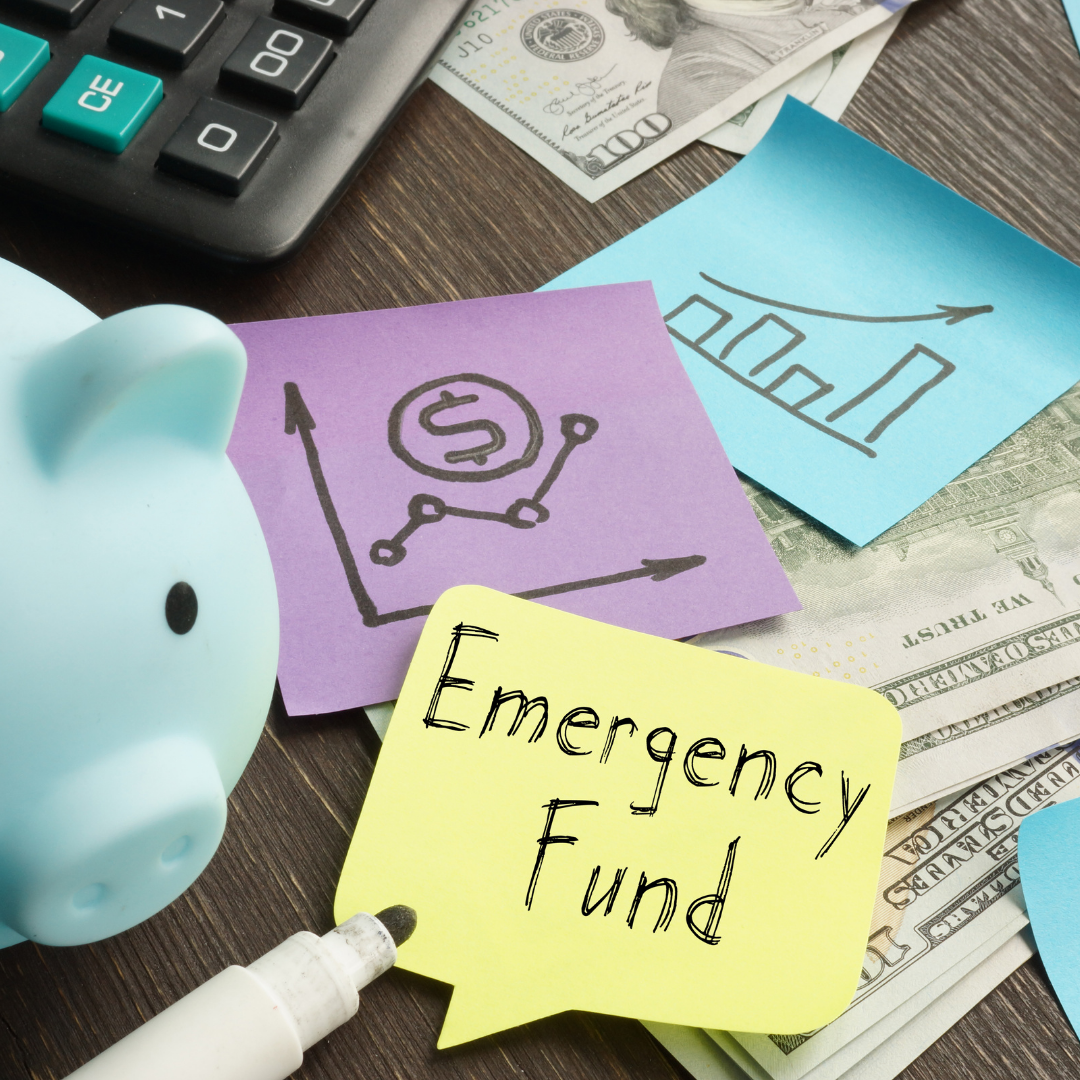
If your income changes month to month, saving can feel impossible. When you’re self-employed, freelance, on variable hours, or juggling unpredictable expenses, it’s hard to commit to a “save £X every month” plan without it backfiring. The goal isn’t to save perfectly. It’s to build a small buffer that makes life less scary.
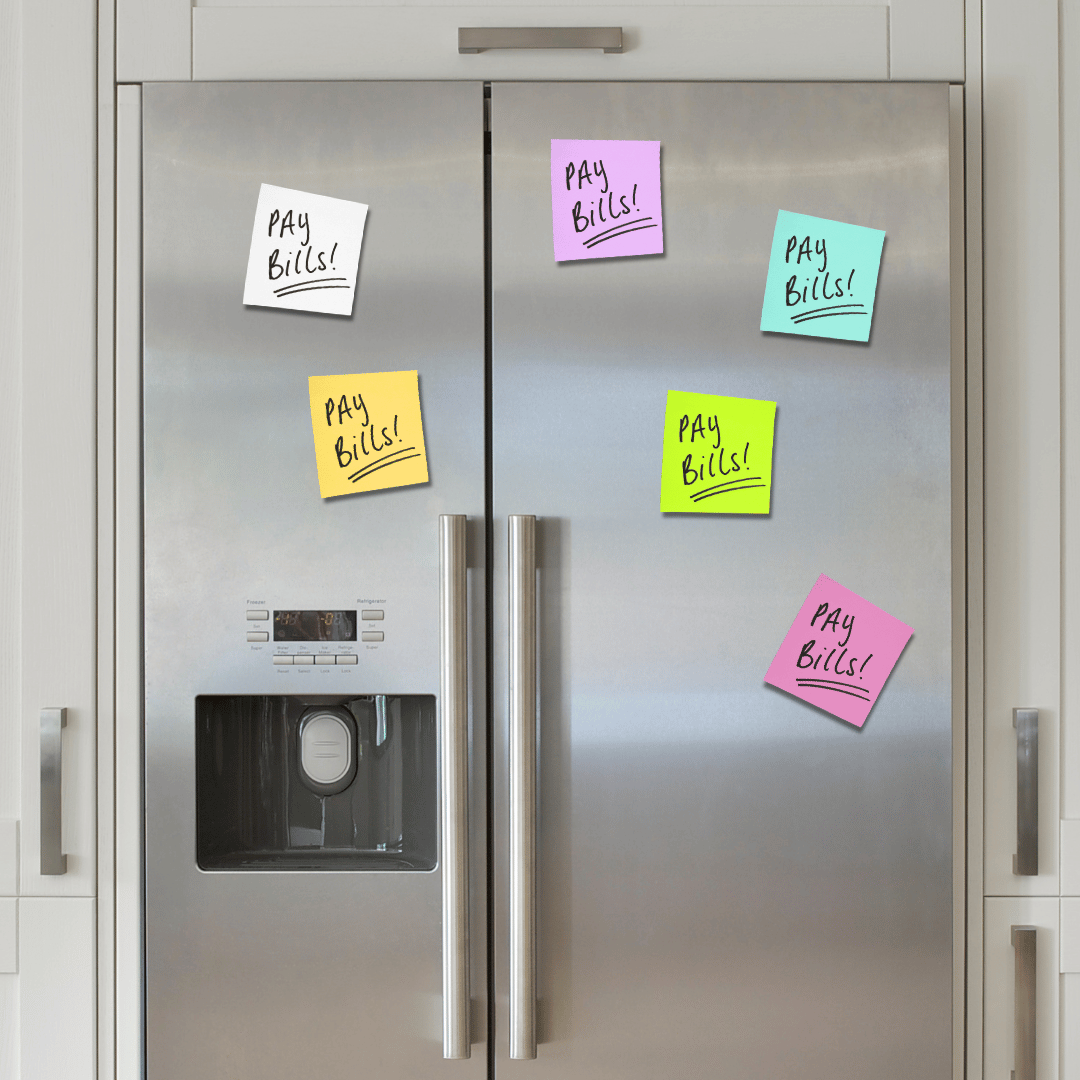


If you’ve ever downloaded a budgeting app, used it for three days, then ignored the notifications until they felt like accusations, you’re not “bad with money”. The tool probably just wasn’t built for your brain.
Categories
Topics



© 2026 Bill-e-Buddy.com – Designed and hosted by Create Better Things